Why Soft Washing Is Better for Western Sydney Houses
If you own a home in Penrith, Parramatta, Blacktown, Liverpool, Campbelltown, or the Hills District, you already know how quickly exterior surfaces get dirty. Western Sydney's mix of hot summers, humid spells, heavy storms, and dust from construction and traffic leaves roofs, walls, and driveways covered in grime, mould, and algae. When it is time to clean, one question comes up again and again: pressure washing or soft washing? For most homes in the region, soft washing is the safer, more effective, and longer-lasting choice.
What Is Soft Washing?
Soft washing is a low-pressure cleaning method that uses specially formulated, biodegradable cleaning solutions to break down and kill organic growth such as mould, mildew, algae, lichen, and bacteria. Instead of blasting dirt off with force, the solution does the hard work. The surface is then gently rinsed with water at pressure similar to a garden hose, usually under 500 PSI.
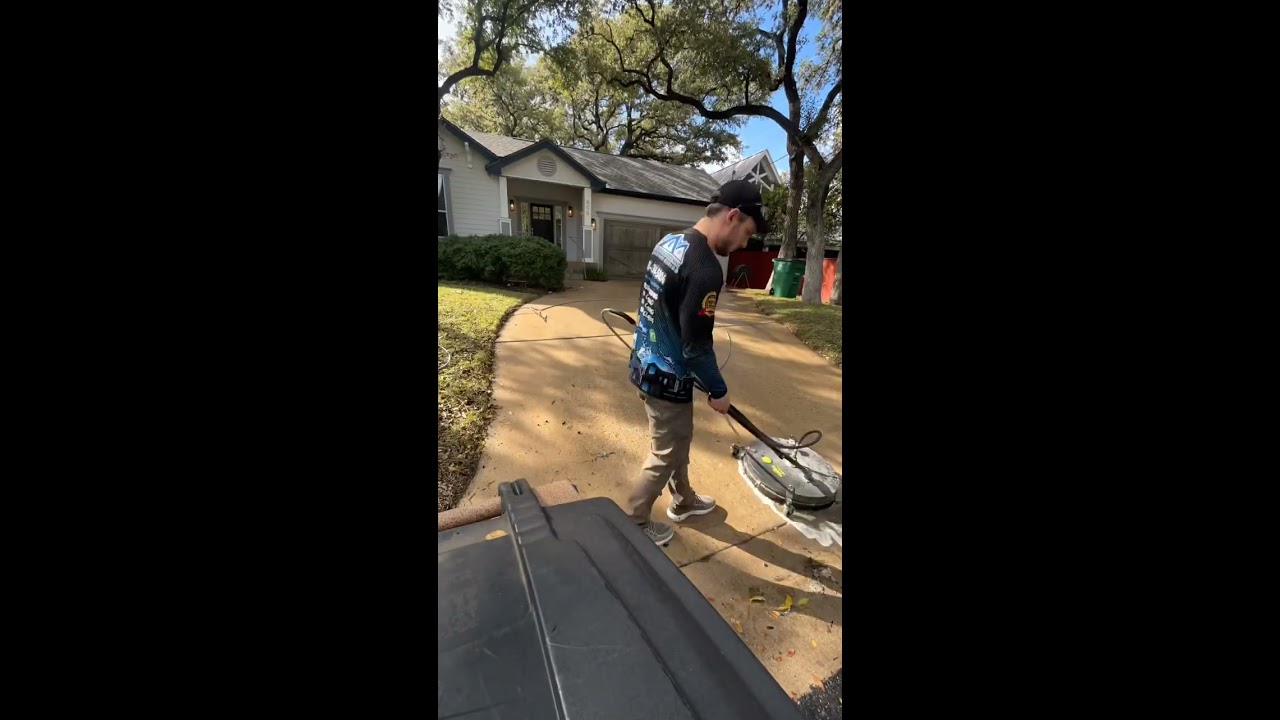
Traditional pressure washing, by contrast, relies on high-pressure water, often 2,000 to 4,000 PSI or more, to physically strip away dirt. That can be suitable for hard, durable surfaces like concrete, but it often causes problems on the softer materials commonly found on Western Sydney homes.
Why Western Sydney Homes Need a Gentler Approach
The Climate Encourages Organic Growth
Western Sydney experiences hot, humid summers and cooler, damp winter mornings. Shaded south-facing walls, covered patios, fence lines, and roofs under tree canopies hold moisture long enough for mould and algae to take hold. Black streaks on roof tiles, green film on render, and dark patches on pavers are all signs of living organisms. Pressure alone may remove the surface layer, but without killing the roots and spores, the growth often returns within months. Soft washing treats the cause, not just the appearance.
Common Building Materials Are Easily Damaged
Many homes across Western Sydney's newer estates and established suburbs use materials that do not tolerate high pressure well. These include:
- Concrete and terracotta roof tiles: High pressure can erode the protective glaze or coating, loosen tiles, and force water under the tile laps and into the roof space.
- Colorbond and metal roofing: Aggressive pressure can damage the paint finish and may void manufacturer warranties.
- Rendered and painted brick walls: Pressure can strip paint, crack render, and drive water into wall cavities.
- Weatherboard and cladding: Water forced behind boards can cause rot, swelling, and internal damp.
- Timber decks, pergolas, and fences: High pressure raises the grain, causes splintering, and leaves a fuzzy, uneven surface.
- Windows, flyscreens, and seals: Strong water jets can break seals and push moisture inside.
Key Benefits of Soft Washing
Longer-Lasting Results
Because soft washing kills mould, algae, and lichen at the source, surfaces stay cleaner for longer. Where a pressure-washed wall might show regrowth in a few months, a soft-washed surface can stay clean for a year or more, depending on shade, moisture, and nearby vegetation. This makes it better value over time.
Protects Your Property
Gentle rinsing means no gouged render, no stripped paint, no lifted roof tiles, and no water forced into places it should not go. Avoiding these problems helps you steer clear of repair bills that can easily outweigh the cost of the clean itself.
Safer for Roofs
Roof cleaning is where soft washing really stands out. Roofs are fragile, slippery, and difficult to access. High-pressure washing can dislodge tile granules, shorten the roof's life, and cause leaks. Soft washing removes moss, lichen, and black algae without damaging the surface, and it can help reflect more heat, which is useful during Western Sydney's hot summers when roof temperatures climb.
Better for Gardens and the Surrounding Environment
Professionals use biodegradable, plant-safe solutions and take steps to protect lawns, garden beds, pets, and waterways. Pre-wetting and rinsing nearby plants, controlling runoff, and choosing appropriate dilution ratios are standard practice. This matters in Western Sydney, where many properties back onto creeks, bushland, and stormwater drains that feed into the Hawkesbury-Nepean catchment.
Removes Stains Pressure Alone Cannot
Pollen residue, tree sap, bird droppings, dirt streaks from rain, and the grey film that builds up on eaves and gutters all respond well to the right cleaning solution. A gentle wash lifts them without scarring the surface underneath.
When Pressure Washing Still Makes Sense
Soft washing is not the answer for every surface. Hard-wearing areas such as plain concrete driveways, footpaths, and some outdoor paving can handle higher pressure, particularly when removing oil stains, tyre marks, or compacted dirt. Many professionals use a combination approach: soft washing for roofs, walls, and delicate surfaces, and controlled pressure for tough ground-level areas. The key is matching the method to the material.
What the Soft Washing Process Looks Like
- Inspection: The cleaner assesses the surface type, condition, and level of growth, and checks for cracks, loose tiles, or failing paint.
- Preparation: Gardens, outdoor furniture, and electrical points are protected. Windows and doors are checked and closed.
- Application: A cleaning solution is applied at low pressure and left to work, typically for 10 to 20 minutes, to break down organic growth.
- Gentle rinse: The surface is rinsed with low-pressure water, carrying away the dead growth and residue.
- Final check: The result is inspected, and any heavily stained spots are treated again if needed.
Tips for Western Sydney Homeowners
Choose the right time of year. Mild, dry days in autumn and spring are ideal. Very hot days can cause cleaning solutions to dry too fast, while wet weather can dilute them and interfere with the process.
Ask about the products used. A reputable provider will explain what they use, how they protect your landscaping, and how they manage runoff. Councils across Western Sydney expect wash water not to enter stormwater drains carrying harmful substances.
Check insurance and safety practices. Roof and high-wall work carries risk. Make sure the provider has public liability insurance and follows safe work at heights practices under NSW WHS requirements.
Do not DIY roof cleaning. Falls from roofs are a leading cause of serious home maintenance injuries in Australia. Using a hired professional is far safer than climbing a wet, algae-covered roof.

Schedule regular maintenance. Most homes benefit from a soft wash every 12 to 24 months, though shaded properties or those near trees, creeks, or bushland may need it more often.

Is Soft Washing Worth the Cost?
Soft washing is often priced competitively with pressure washing, and sometimes it costs slightly more because of the specialised solutions and equipment. The payoff is in the results: cleaner surfaces that last longer, less risk of damage, and the ability to put off costly repainting or roof replacement. A clean exterior also boosts kerb appeal, which matters if you plan to https://kylerbvuo937.image-perth.org/7-signs-your-roof-needs-a-professional-soft-wash-service sell or rent your property in a competitive Western Sydney market.
Final Thoughts
Western Sydney's climate, building materials, and environmental sensitivities make soft washing the smarter choice for most home exteriors. It cleans deeply, protects your investment, treats the underlying cause of staining, and is gentler on both your property and the local environment. Before booking your next exterior clean, ask whether soft washing is the right fit for your roof, walls, and outdoor surfaces. In most cases, it will be.
Western Sydney Pressure Cleaning
Unit 2/1 Cowpasture Pl, Wetherill Park NSW 2164
(02) 9000 1596